


Call Us

The global shift toward remote work has transformed the way people live, work, and interact with their environments. What began as a temporary response to workplace disruptions has evolved into a long-term trend, influencing not only employment practices but also the real estate market. As more organizations embrace flexible work arrangements, property preferences are changing, creating new opportunities and challenges for real estate professionals, investors, and developers.
Changing Residential Preferences
One of the most significant impacts of remote work is the growing demand for larger residential spaces. Employees who work from home now require dedicated home offices, reliable internet connectivity, and environments that support productivity. As a result, many homebuyers and renters are prioritizing properties with extra rooms, outdoor spaces, and quieter neighborhoods.
Urban centers, once the preferred choice for professionals seeking proximity to workplaces, are experiencing increased competition from suburban and semi-urban locations. Remote workers are willing to live farther from traditional business districts if it means obtaining more space and a higher quality of life.
Increased Demand for Suburban Properties
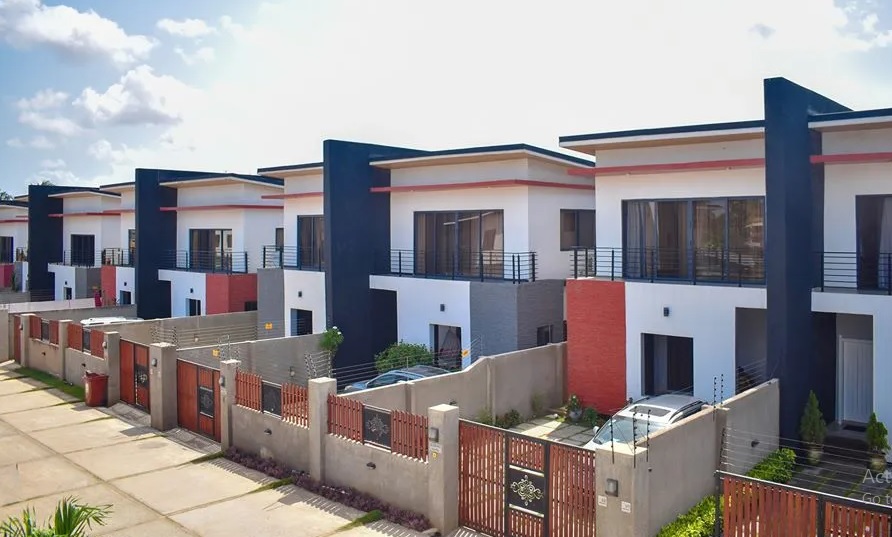
The flexibility offered by remote work has encouraged many individuals and families to relocate from densely populated cities to suburban communities. These areas often provide larger homes, lower living costs, reduced traffic congestion, and improved access to recreational facilities.
For real estate investors, this trend presents opportunities to acquire and develop residential properties in emerging suburban markets. Areas previously considered secondary locations are now attracting significant interest from buyers and tenants.
Transformation of Commercial Real Estate
Remote work has also affected the commercial property sector. Many organizations have reduced their office space requirements as hybrid work models become increasingly common. This has led to a growing demand for flexible workspaces, co-working facilities, and smaller office footprints. Property owners and developers are adapting by redesigning office spaces to accommodate collaboration, hot-desking, and shared work environments. In some markets, underutilized office buildings are being converted into residential apartments, mixed-use developments, or innovation hubs.
Technology as a Real Estate Driver
The rise of remote work has accelerated the adoption of technology across the real estate industry. Virtual property tours, online transactions, digital documentation, and remote property management systems have become standard practices. Buyers and tenants increasingly expect seamless digital experiences when searching for, inspecting, and acquiring properties. Real estate firms that invest in technology are better positioned to meet these expectations and remain competitive in a rapidly evolving market.
Emerging Investment Opportunities
The changing dynamics of work and housing are creating new investment opportunities. Demand is growing for:
Residential developments with home-office facilities.
Mixed-use communities that combine living, working, and recreational spaces.
Co-working centers in suburban locations.
Smart homes equipped with advanced communication and security technologies.
Rental properties in emerging residential corridors.
Investors who understand these evolving preferences can position themselves to benefit from long-term market shifts.
Conclusion
Remote work is no longer a temporary workplace arrangement; it has become a defining factor in modern real estate trends. As employees seek greater flexibility and improved living conditions, demand patterns across residential and commercial property markets continue to evolve. Real estate professionals, investors, and developers who adapt to these changes will be better equipped to capitalize on new opportunities and meet the needs of a changing workforce.
The future of real estate will increasingly be shaped by where people choose to live rather than where they are required to work. Understanding this shift is essential for making informed property decisions in today's dynamic market.
Real Estate Online
Article Source: Real Estate Online